
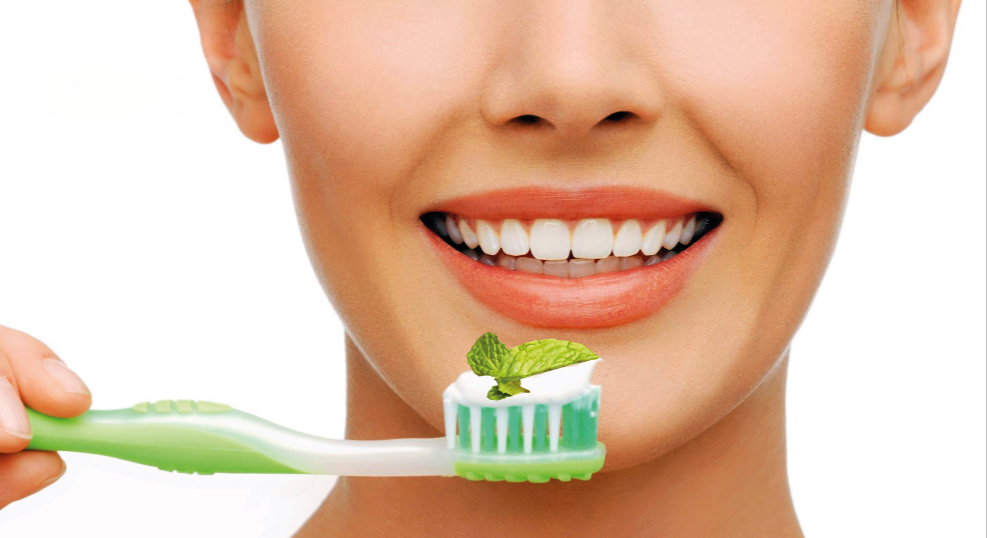
Plants and their derived compounds have been used in medicine and dentistry for centuries. As health awareness increases worldwide, interest in natural and minimally processed products for oral care continues to grow daily. This trend has led to an increase in research on the bioactive compounds found in herbal products. As we better understand the specific mechanisms and effects of these natural products known for their beneficial biological properties, their use in oral health services is steadily increasing.
These products possess antimicrobial, antiviral, antifungal, anti-inflammatory, and analgesic properties, making them versatile for various applications. As scientific research progresses, their potential benefits in oral health care continue to be discovered. From a holistic health perspective, the treasure that nature offers us will only contribute to our lives as much as we learn to value it. "Life Begins in the Mouth" — yes, it does, but it is sustained through our holistic health.
TRADITIONAL MEDICINE IS TIMELESS!
Speaking of the treasure nature provides, it is worth taking a look at the historical use of plants in health. Our past shapes our present, and our present shapes our future. If we can unite our past and future in the "NOW," we can maximize benefits. Medicine is known to be as old as life itself. Traditional medicine is timeless. Traces of traditional medicine still persist in many countries around the world. The Sanskrit words “Ayur” (life) and “Veda” (science of knowledge) combine to form the term “Ayurveda.” Ayurveda medicine, which originated in India thousands of years ago, is considered the world’s oldest medical system. There is a long history of using plants to improve dental health and oral hygiene.
Since ancient times, individuals who used various plants and their products effectively to treat diseases were called traditional healers. Herbal medicines are traditional remedies developed by combining different parts of local medicinal plants. The use of medicinal plants dates back 5,000 years and forms part of the cultural heritage of many countries. Traditional Chinese Medicine (TCM), developed over 2,000 years ago in China, also involves the use of medicinal herbs. TCM practitioners diagnose diseases based on detailed observations of bodily functions, signs, and symptoms to select appropriate herbal medicines. Traditional Japanese medicine, also known as Kampo medicine, emerged from TCM in the 5th century AD. Shortly after, Japan began modifying TCM, believing that some medicinal herbs were unique to China. The official recognition of Kampo by the Japanese government as a medical treatment in the 19th century led to the standardization of Kampo medicines, which are primarily herbal formulations.
The full article was published in Elizim Magazine. To read the entire article, click here.